
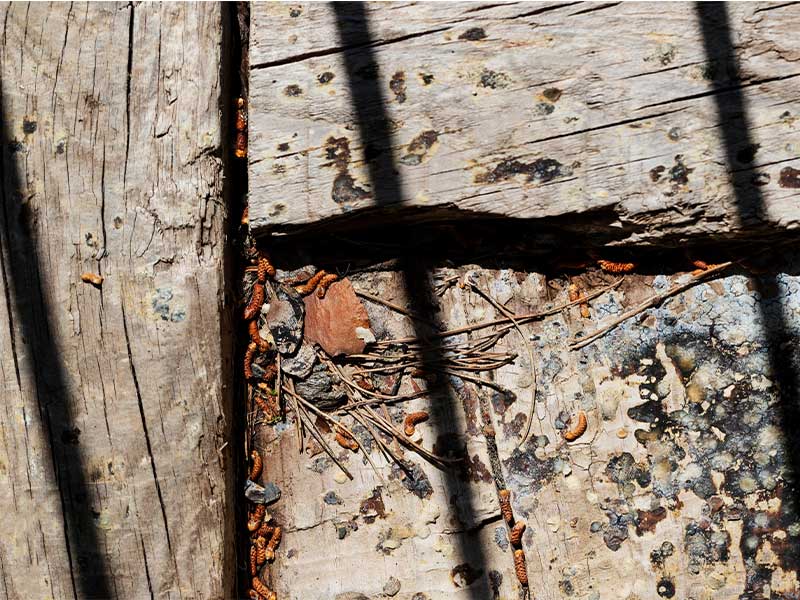
The Hidden Enemy in Your Walls: How to Detect Termite Infestation Before It’s Too Late
Termites are one of the trickiest household threats because they work quietly and out of sight. Many homeowners assume their house is safe simply because they don’t see anything unusual but termites rarely make themselves visible. By the time you notice obvious damage, the infestation has usually been active for months. Early detection is the best way to protect your home and avoid extensive repair costs. This guide walks you through the most reliable signs, where termites hide, and how to recognize early trouble before it becomes a serious structural issue.
Why Termites Are So Hard to Spot
Unlike pests that leave messes or make noise, termites prefer dark, hidden environments. They feed within walls, beneath floors, and inside wood beams. Most of the damage they create isn’t noticeable right away because they hollow wood from the inside out. Everything can look normal on the surface while the structure is slowly weakening. Termites also work nonstop—day and night—so even a small colony can cause significant harm if left alone.
The Main Types of Home-Invading Termites
Most homes face trouble from one of three termite types:
Subterranean Termites
These are the most common and destructive. They live underground and travel through mud tubes they build along foundations, crawl spaces, or basement walls.
Drywood Termites
Drywood termites nest directly inside wooden furniture, attics, rooflines, and framing. They don’t need soil contact, which makes them harder to predict.
Dampwood Termites
Less common in well-maintained homes, these termites prefer moist, decaying wood and often appear after leaks or drainage problems.
Knowing which type is active helps determine where to look and how urgent the problem may be.
Early Warning Signs Every Homeowner Should Know
Termites may be hidden, but they leave clues. Here are the most common signs you’ll notice early on:
1. Discarded Wings
Swarming termites shed their wings after finding a place to build a new colony. You might see small, translucent wings around windowsills, doorframes, or on the floor.
2. Mud Tubes
Subterranean termites create narrow mud tunnels to travel safely. These tubes often appear on foundations, basement walls, or exterior brick.
3. Hollow or Damaged Wood
Wood that sounds hollow or papery when tapped is a major red flag. This usually means termites have been feeding from the inside.
4. Tight-Fitting Doors or Windows
Termite activity produces moisture, which can make wood swell. If doors suddenly stick or windows don’t slide easily, it may not just be humidity.
5. Frass (Termite Droppings)
Drywood termites push out small piles of pellet-like droppings. They resemble sawdust or sand and often collect under wooden beams or furniture.
Catching even one of these signs early gives you a much better chance of controlling the problem before it spreads.
Where Termites Hide Inside a Home
Because termites avoid light and open air, they prefer areas most people rarely inspect. These spots deserve extra attention:
- Crawl spaces
- Attics
- Wall cavities
- Basements
- Behind siding
- Wooden decks or porches
- Areas with leaking pipes or poor ventilation
If you store cardboard boxes in any of these locations, termites may be even more drawn in since they feed on cellulose-based materials.
Simple DIY Ways to Check for Termites
While professional inspections are always more accurate, homeowners can still perform basic checks:
- Use a flashlight to inspect foundation lines and crawl spaces.
- Tap exposed wood beams to check for hollow spots.
- Look for mud tubes on walls, posts, and the exterior of your home.
- Check window ledges and floor edges for wings or frass.
- Use a moisture meter to identify damp areas where termites thrive.
If you find multiple warning signs, it’s usually best to call a professional for confirmation.
When It’s Time to Call a Professional
DIY checks can help you spot clues, but they can’t replace the tools and training of a licensed pest control specialist. Professionals use infrared scanners, moisture mapping tools, and acoustic detection devices that can identify termite activity inside walls without opening them up. They also understand colony behavior and can tell whether the problem is new, active, or spreading.
If you spot mud tubes, widespread hollow wood, piles of frass, or multiple sets of discarded wings, scheduling an inspection is the safest move.
How to Prevent Termites from Moving In
A few maintenance habits go a long way in termite prevention:
- Fix leaking pipes, gutters, or roof issues quickly.
- Improve drainage around your foundation.
- Avoid storing firewood directly against the house.
- Seal gaps around doors, windows, and utility lines.
- Keep mulch and soil from rising too close to wooden structures.
Regular annual inspections are also one of the simplest ways to catch problems early.
Termites may be silent, but the damage they cause certainly isn’t. The key is catching the signs early—before you’re dealing with sagging floors, damaged beams, or expensive reconstruction. With a bit of awareness, regular inspection, and prompt action when you spot warning signs, you can protect your home long before termites settle in.