
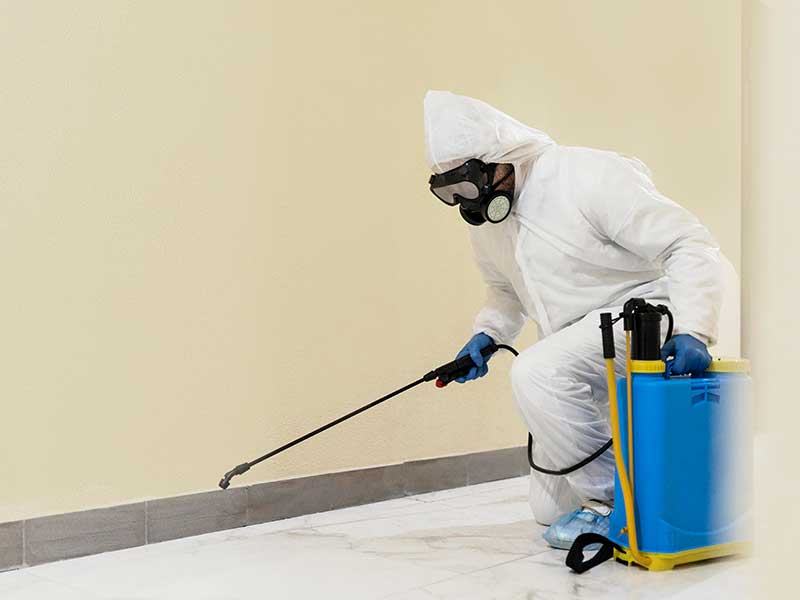
How to Protect Your Villa from Termites During Construction and Renovation
Building or renovating a villa is a major investment, and the last thing you want is for termites to quietly undermine your efforts. These pests work silently and relentlessly, chewing through wood, insulation, and even parts of the foundation. In places like Abu Dhabi, where the climate favors termite activity, preventive measures during construction and renovation are essential. Once the structure is up, fixing termite damage becomes far more expensive and disruptive. That’s why smart homeowners plan ahead.
Below is a clear and practical guide on how to keep termites away during construction and renovation, based on real-world practices used by termite treatment experts Abu Dhabi residents rely on.
Start Early with Pre-Construction Termite Treatment
Pre-construction treatment is one of the most effective defenses against termites. It creates a chemical barrier around and beneath the structure before any flooring, walls, or fixtures are installed. Because the soil is still exposed, experts can properly apply the treatment without navigating around built areas.
Here’s how it typically works:
- Soil Treatment
Before laying the foundation, the soil is evenly treated with an approved termiticide. This penetrates deep into the ground, forming a long-lasting shield so that termites cannot enter from below. Good pest control teams measure the soil absorption rate to ensure the right amount is applied—too little leaves gaps, and too much poses environmental concerns. - Foundation Protection
Once the foundation trenches are dug, the treatment is applied to the sides and bottom of these trenches. This step is especially important because subterranean termites often enter a property from below the foundation, following cracks or gaps. - Slab Treatment After Pouring Concrete
After the concrete slab is poured, another layer of protection is added around plumbing points, expansion joints, and areas where termites are commonly known to enter. These are the weak points that need extra attention during construction.
This early approach sets the tone for long-term protection. Even though the initial treatment is highly effective, it shouldn’t be the only line of defense. As the villa ages, soil changes and landscaping modifications can create new entry points, which is why a combined strategy works best.
Choose Termite-Resistant Construction Materials
Not all materials are equally vulnerable, and choosing the right ones can drastically reduce termite risks.
- Treated Wood: Pressure-treated wood resists termite attacks far better than untreated options. It’s ideal for framing, doors, or any part of the villa that uses timber.
- Concrete and Steel: While termites cannot eat through concrete or metal, they can exploit cracks. A mix of materials helps create a structure that’s harder for termites to access.
- PVC or Metal for Piping: Termites are attracted to moisture, and standard piping often leaks over time. Using durable materials lowers the chances of creating a moist environment that draws termites near the foundation.
During renovation, replacing old wooden structures with treated or alternative materials is a smart step toward long-term protection.
Plan Proper Drainage and Moisture Management
Termites thrive in moist environments. Ensuring good drainage is one of the simplest yet most effective preventive measures, especially during construction.
- Grade the soil so water flows away from the villa.
This prevents pooling, which encourages termite activity. - Install proper gutter systems.
Even a small roof leak can attract termite colonies toward wooden areas. - Use moisture barriers under the foundation slab.
This helps keep ground moisture from rising into the structure.
During renovation, fixing leaks, improving ventilation, and ensuring dry indoor spaces can significantly reduce risk. Even small issues like damp corners or wet tiles near entry points can attract termites if left untreated.
Seal Entry Points During Renovation
Renovating a villa often means opening walls, replacing floors, or changing plumbing. This is a perfect opportunity to check for cracks, gaps, and access points that termites can use.
Focus on areas such as:
- Gaps around electrical conduits
- Spaces around plumbing pipes
- Cracks in walls, floors, or foundations
- Wooden fixtures connected directly to soil
These should be sealed using durable materials like cement, silicone, or foam sealant. The idea is to eliminate “bridges” that termites can use to bypass soil treatments.
Schedule Regular Inspections by Professionals
Even with the best construction-phase protection, termites can still appear years later. Soil shifts, landscaping changes, and new moisture patterns can create openings over time. That’s why ongoing inspections are essential.
Many homeowners in the UAE schedule annual checks with termite treatment experts Abu Dhabi trusts for long-term monitoring. Trained professionals know where termites hide, how they travel, and what early signs to watch for. Early detection can save you from major repairs later.
Protecting your villa from termites starts long before you move in. Pre-construction treatments build a strong foundation of protection, while smart material choices, moisture control, and careful renovation practices strengthen your defense. Partnering with experienced professionals ensures that every stage—from soil preparation to long-term maintenance—is done correctly and safely.
A termite-free home isn’t just about chemicals. It’s about planning ahead, making informed choices, and staying consistent with inspections. With these steps in place, you can enjoy your villa without worrying about what might be happening behind the walls.