
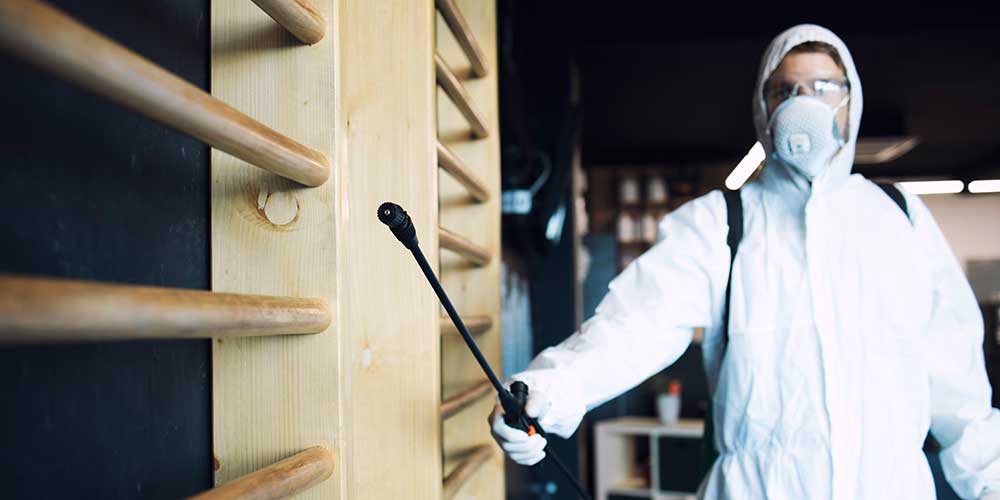
Termite Treatment in Abu Dhabi: What to Expect from Expert Technicians
Termites might be tiny, but their impact can be massive. From weakening wooden structures to damaging furniture, these pests are a homeowner’s nightmare. If you’re in Abu Dhabi, especially in areas like Mussafah or Khalifa City, professional termite treatment is the only reliable way to safeguard your property. But many people hesitate because they’re unsure what the treatment process involves, how much it costs, or whether it’s safe. Let’s break it down step by step so you know exactly what to expect from expert technicians.
Why Professional Termite Treatment is Important
It’s tempting to try DIY termite solutions from hardware stores or online products. However, termites are notoriously hard to eliminate completely without professional intervention. These insects live in hidden colonies deep within wooden structures or under the ground. While a DIY spray might kill a few visible termites, the colony remains untouched, which means the infestation can return often stronger than before.
Professional technicians, on the other hand, have specialized knowledge, tools, and treatments designed to target both visible termites and hidden colonies. They also prioritize safety, protecting your family and pets from harmful chemicals. In short, expert treatment saves money, time, and stress in the long run.
Step 1: Comprehensive Inspection
The first step in any termite treatment is a thorough inspection. Technicians will check your property for signs of termite activity and identify the type of termite involved—subterranean, drywood, or dampwood. Common signs they look for include:
- Mud tubes along walls or foundations
- Hollow-sounding wood when tapped
- Swarms of flying termites near windows or doors
- Tiny wood-colored droppings (frass)
Some experts use advanced tools such as moisture meters, thermal imaging cameras, and infrared scanners to detect hidden colonies. This step is crucial because understanding the extent of the infestation determines the most effective treatment plan.
Step 2: Customized Treatment Plan
Every property is different, and so is every infestation. Once the inspection is complete, expert technicians develop a treatment plan tailored to your home or business. This plan typically considers:
- The type and size of the termite colony
- Location of infestation (wooden beams, furniture, foundations)
- Property layout and accessibility
- Safety considerations for children, pets, and plants
Customizing the approach ensures that treatments are targeted, efficient, and less disruptive to your daily life.
Step 3: Treatment Methods
Depending on the infestation, technicians may use one or a combination of the following treatment methods:
- Liquid Termiticides: Applied to soil around the property, creating a barrier that kills termites on contact and prevents new colonies from entering.
- Baiting Systems: Termite baits attract workers, which carry toxic substances back to the colony, eventually eliminating it.
- Fumigation: Used for severe infestations, particularly in wooden structures heavily affected by drywood termites.
- Integrated Approach: Combines inspection, treatment, and preventive measures for long-term protection.
Technicians also ensure that chemicals are applied safely, minimizing risks to humans and pets.
Step 4: Safety Precautions
Safety is a top priority during termite treatment. Professional companies take steps such as:
- Using eco-friendly and approved chemicals
- Advising homeowners on areas to avoid during and after treatment
- Ensuring proper ventilation for indoor treatments
- Providing guidance for pet care during chemical application
These precautions allow effective termite control without compromising your family’s health or well-being.
Step 5: Post-Treatment Monitoring
A single treatment isn’t always enough. Termites can be persistent, and experts recommend regular monitoring to ensure complete elimination. Follow-up visits may include:
- Checking previously treated areas for signs of re-infestation
- Reapplying treatments if necessary
- Offering preventive solutions to minimize future risks
This ongoing support ensures that your property stays termite-free over the long term.
Cost of Termite Treatment in Abu Dhabi
Many homeowners worry about treatment costs. Prices vary depending on:
- Size of the property
- Severity and type of infestation
- Treatment method used
- Additional follow-up or preventive services
While professional termite treatment may seem expensive initially, it’s a wise investment. Avoiding structural damage and repeated infestations saves substantial money in the long run compared to the cost of DIY fixes or ignored termite damage.
Tips for Homeowners Before Treatment
You can make the termite treatment process smoother by:
- Clearing clutter and ensuring easy access to wooden areas
- Storing food and personal items safely during treatment
- Informing technicians of any pets or children in the house
- Maintaining good drainage and reducing moisture around the property
Proper preparation helps technicians work efficiently and ensures the best results.
Conclusion
Termite treatment in Abu Dhabi is not something to delay. By hiring expert technicians, you get more than just chemical application; you receive inspection, tailored treatment, safety assurance, and long-term monitoring. Whether you live in Mussafah, Khalifa City, or any other part of the city, professional termite treatment protects your home, your investment, and your peace of mind. Ignoring termites may seem convenient, but the cost of structural damage far outweighs professional service fees. Take action early, trust the experts, and enjoy a termite-free home.
FAQs
- How soon can I return home after treatment?
Most treatments are safe to return to within a few hours, but technicians will provide specific instructions based on the method used. - How long does termite treatment last?
With proper application and follow-up, treatments can provide protection for several years, especially with annual inspections. - Can I combine termite and pest control services?
Yes, many companies offer integrated pest and termite management, which is more effective than separate treatments. - Do I need to move furniture during treatment?
Technicians may need access to key areas. Lightweight furniture may need to be moved, but heavy furniture can often remain in place. - Are all termite treatments chemical-based?
Not all. Some methods, like baiting systems, are targeted and eco-friendly, while others may use liquid chemicals or fumigation for severe cases.